
MACOAVELL JOURNAL · PROJECT SPECIFICATION
Decorative Plaster Mock-Up Approval in Malaysia
Approve a decorative plaster mock-up by agreeing what it must demonstrate, reviewing the complete finish in its intended setting, and recording the accepted result before the main application starts. A colour name or a photograph alone leaves too much open: pattern scale, relief, sheen, edges and acceptable variation all need a shared reference.
6 November 2026 · By MacoAvell
Give the mock-up a clear purpose
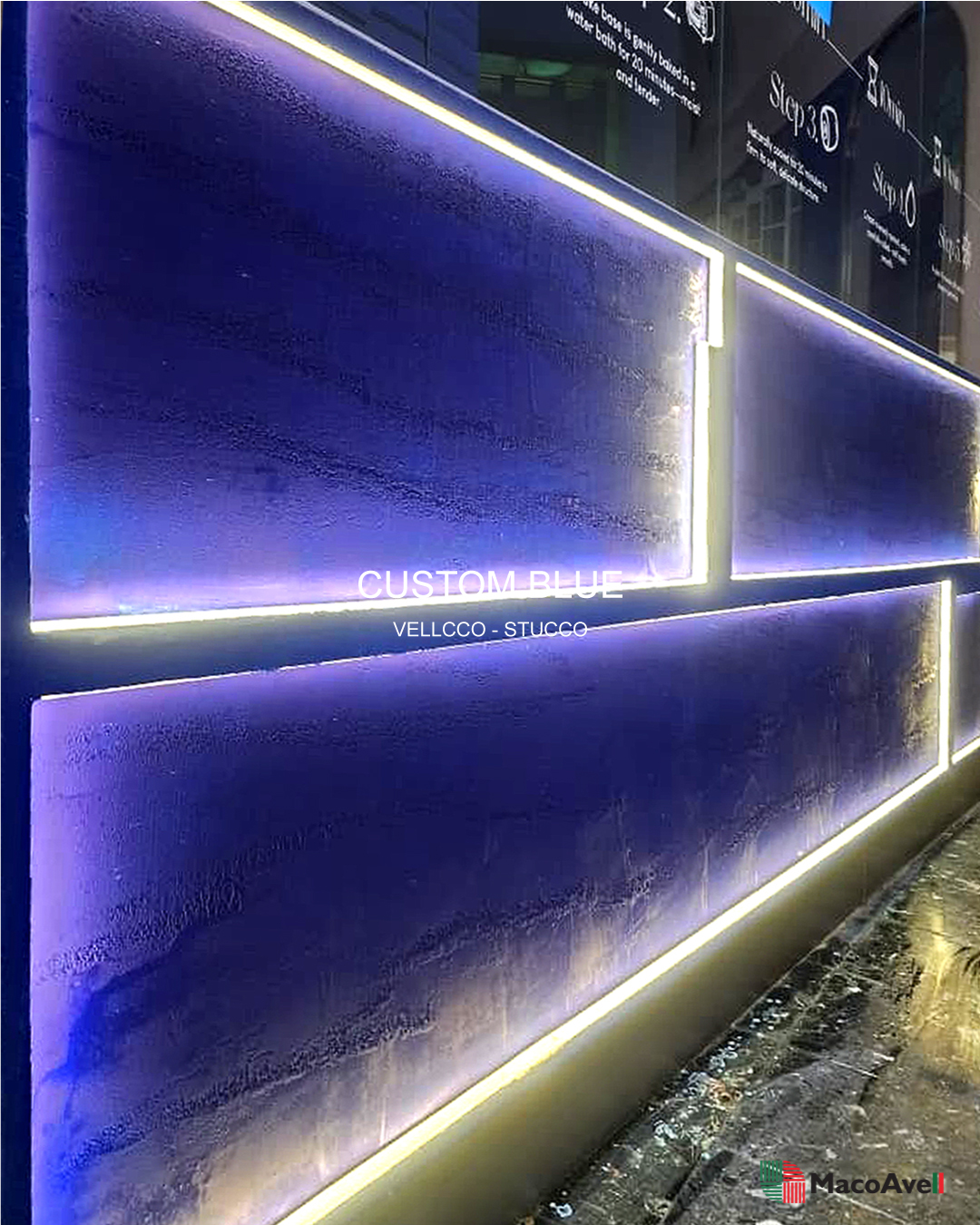
For a hotel reception, condominium lobby or premium retail fit-out, the approval meeting should answer specific questions. Is the team choosing between two textures, checking the junction with joinery, or agreeing the appearance across a broad wall? Write down the decision required before the applicator prepares the sample.
A small portable board is useful for shortlisting. A representative site area can reveal how the finish relates to the actual wall geometry and surrounding materials. Avoid treating either as a universal substitute for the other. Choose the exercise that resolves the uncertainty on your project.
Separate appearance approval from technical acceptance
A sample can show colour movement and workmanship. It cannot, by itself, establish substrate suitability, waterproofing, emissions results or any other tested performance. Keep those documentary reviews alongside the appearance decision, with any unanswered items clearly identified.
Start with current product information. Vellplas Matte Marmorino provides a soft, cloudy matte direction; Vellcco Decorative Stucco offers more tactile relief and stone-inspired effects. These descriptions help select the visual direction. They do not approve a particular wall assembly.
Request the current instructions through MacoAvell’s resources and product documents. Confirm the proposed background, preparation and final treatment before asking the applicator to reproduce an image.
Write a short brief before making the sample
Give each proposal a clear reference, such as “Lobby feature wall — sample B”. Record the product, colour reference, intended pattern and final treatment. If a photograph is included, explain which part matters: the direction of the marks, the depth of the relief or the balance of light and dark areas.
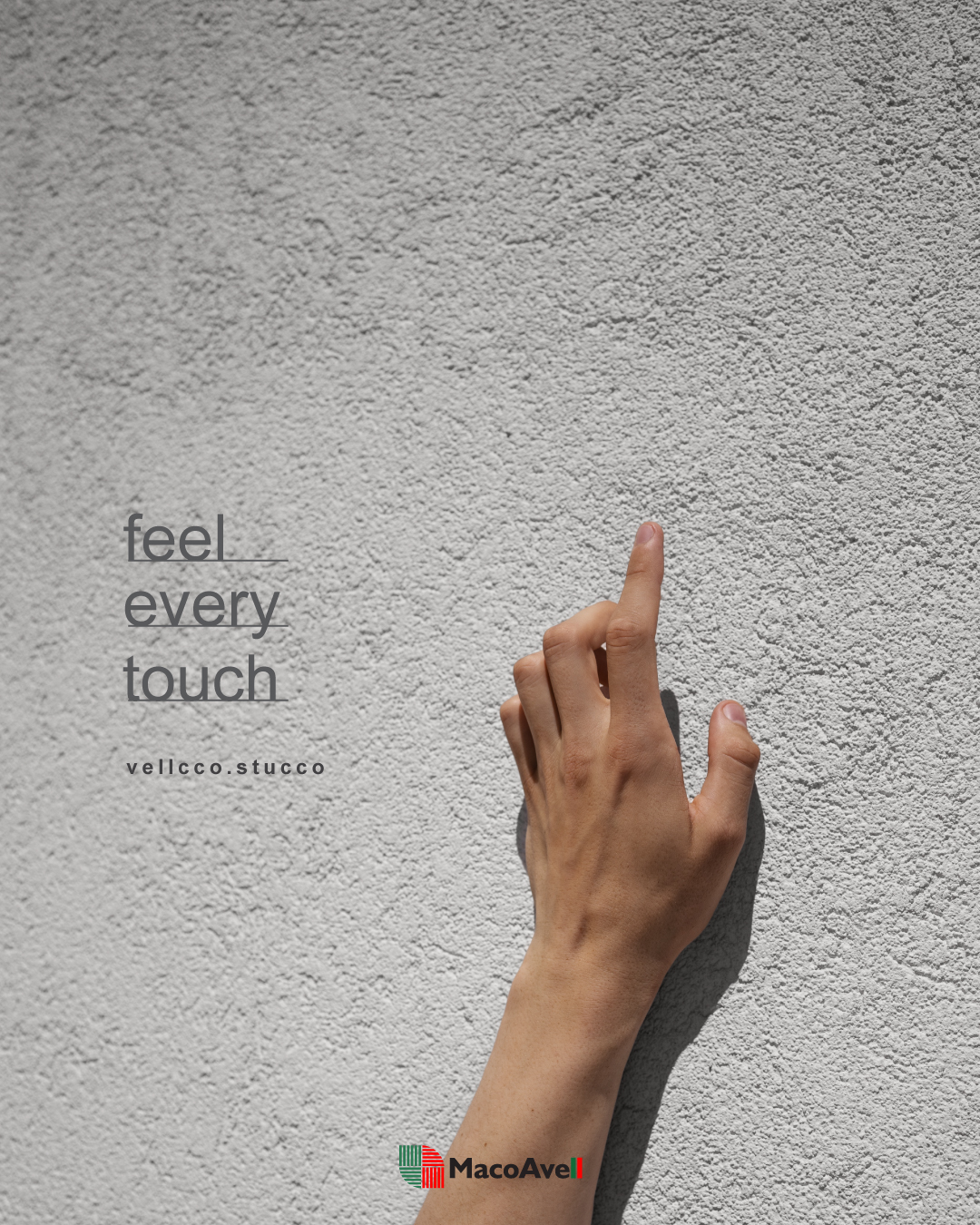
Also identify what the photograph does not establish. A finished interior image may reveal nothing about the substrate or coating build-up. The two MacoAvell Instagram images used here are appearance references, not documented approval panels.
Agree who will prepare the sample, who will review it and when a decision is needed. Include time for a revision in the programme rather than assuming the first attempt will be accepted.
Make the sample representative of the decision
Choose an area that can display the proposed pattern at a useful scale. If the design has broad movement, a tiny chip cannot show how those marks relate across a wall. If the concern is a corner, recess or junction with a metal trim, include that detail in the trial.
The Painting Contractors Association’s P5 benchmark-sample guidance describes an on-site reference using the complete specified coating system, including preparation. It is a useful industry example, not an automatic Malaysian project requirement or a MacoAvell application specification.
Set the dimensions and location to suit the question being tested. Record any difference between the trial and the proposed installation so nobody mistakes a simplified display board for a full assembly approval.
Review colour, pattern and edges separately
Begin with the overall impression from the normal approach to the wall. Then look more closely at the pattern and boundaries. Discuss colour depth, tonal contrast, direction, relief and sheen as separate observations. “Too busy” becomes actionable when the team identifies which characteristic needs changing.
Look at the sample beside the intended stone, timber, fabric and metal finishes. Review the planned lighting conditions where possible. If only temporary lighting is available, record that limitation and agree whether another review is needed before release.
Check edges around frames, skirtings and openings. Include access-panel operation where relevant. A pleasing central area does not settle every junction, and a photograph taken straight on may miss an edge that is conspicuous from the entrance.
Record the decision so it can be used on site
Use one approval record rather than a series of disconnected messages. A practical record can include:
- Sample ID, location, date and the areas it represents.
- Product and colour references, preparation and final treatment.
- Accepted visual characteristics and specific changes still required.
- Photographs showing the whole sample and important details.
- The reviewer, decision and any condition that must be closed before work proceeds.
For example, “Pattern accepted; final sheen to be reviewed after the proposed treatment” is clearer than an unqualified “approved”. Make the outstanding decision visible to the person organising the application. Do not allow an appearance sign-off to silently resolve an open technical query.
Keep the reference useful after approval
Identify and protect the accepted sample so it remains available during the work. Keep its record with the finish schedule and make the reference accessible to the site team. Photographs support communication, but screen settings and camera exposure make them an incomplete replacement for the physical surface.
Review the first completed area against the agreed reference before repeating the work widely. If the product, colour, treatment or intended technique changes, identify which decisions need revisiting. Record the revised reference rather than leaving two conflicting versions in circulation.
At handover, pass the installed product references and care instructions to the client or facilities team. A good approval record should still help when someone later asks what finish was used.
Frequently asked questions
How large should a decorative plaster mock-up be?
Large enough to answer the project’s questions about pattern scale and details. Agree the size and location with the designer and applicator; there is no single dimension prescribed by this guide.
Does an approved colour card approve the wall finish?
No. Colour selection does not settle relief, pattern, sheen or finishing treatment. Identify which stage has been approved and what remains open.
Should every wall look identical to the sample?
Agree the intended consistency and acceptable variation before work starts. A handcrafted reference is useful only when the team understands which characteristics must remain consistent.
How can MacoAvell help with a project sample?
Send a sample or project enquiry with the location, approximate wall area in sq ft, preferred finish and the details you need to review. WhatsApp MacoAvell on +60 12-484 7030 to discuss the next step.