
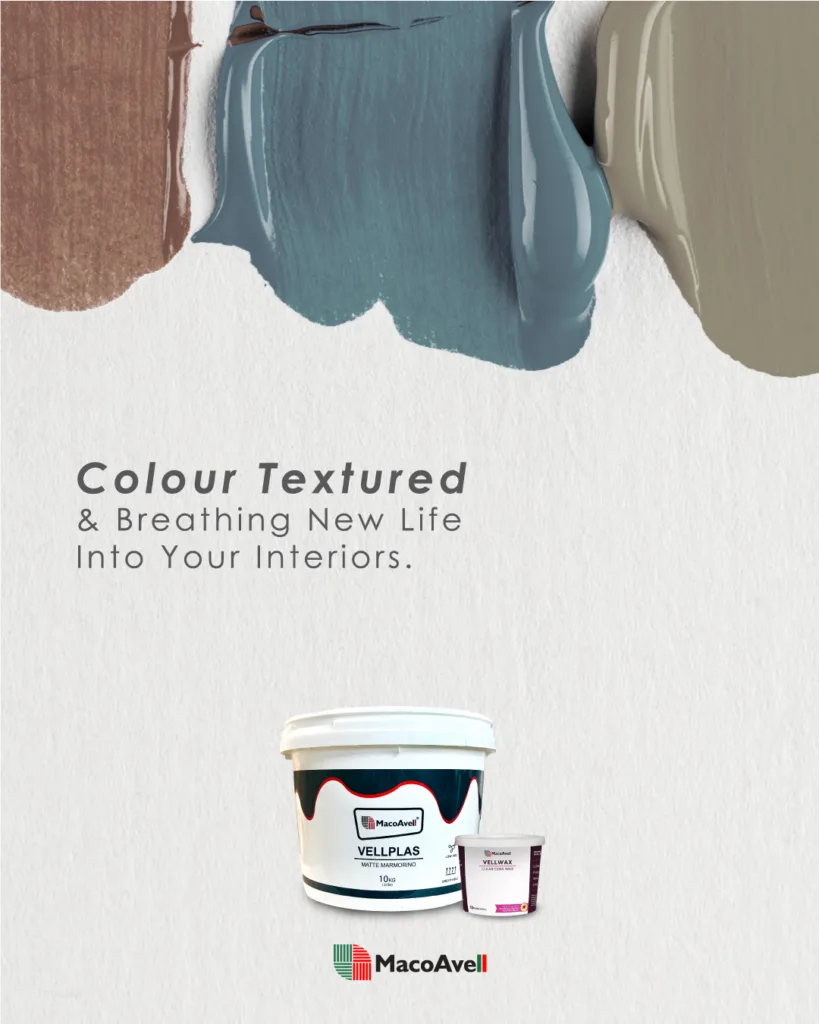
If you’re planning a renovation or new home in the next year or two, it’s the perfect time to look at 2026 texture paint colour trends and how they fit Malaysian interiors.
Instead of just flat paint, lime-based textured walls from MacoAvell add depth, movement and a handcrafted feel – and the right colours can make your home look current, calm and timeless at the same time.
In this guide, we’ll look at the key colour directions for 2026 and how to apply them using MacoAvell texture paint in condos, landed homes and commercial spaces.
Why Colour Trends Matter for Texture Paint
Colour trends shift slowly, but they strongly influence:
- Show units and new developments
- Interior design magazines and social media
- What feels “fresh” vs “dated” in a few years
Texture paint surfaces are more permanent than cushions or decor, so choosing the right colour family is important. The aim is not to chase every trend, but to:
- Understand the main direction for 2026
- Pick tones that match Malaysian light and lifestyle
- Use MacoAvell textures to bring those colours to life on your walls
Trend 1: Warm Neutrals and Oatmeal Greys
Cold, blue-based greys are slowly giving way to warmer neutrals – think:
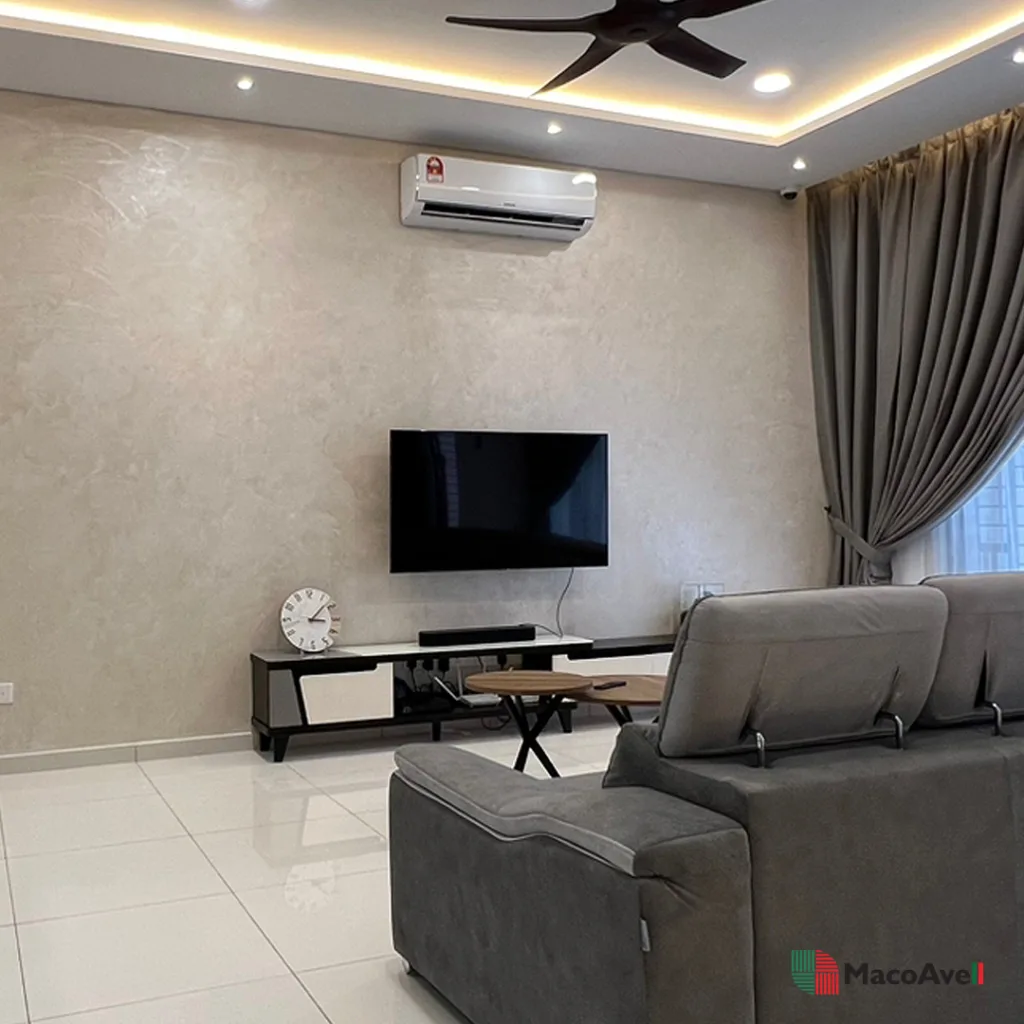
- Oatmeal
- Warm stone
- Mushroom
- Greige (grey + beige)
These tones:
- Feel softer and more welcoming
- Work well in both condos and landed homes
- Make furniture and decor easier to match
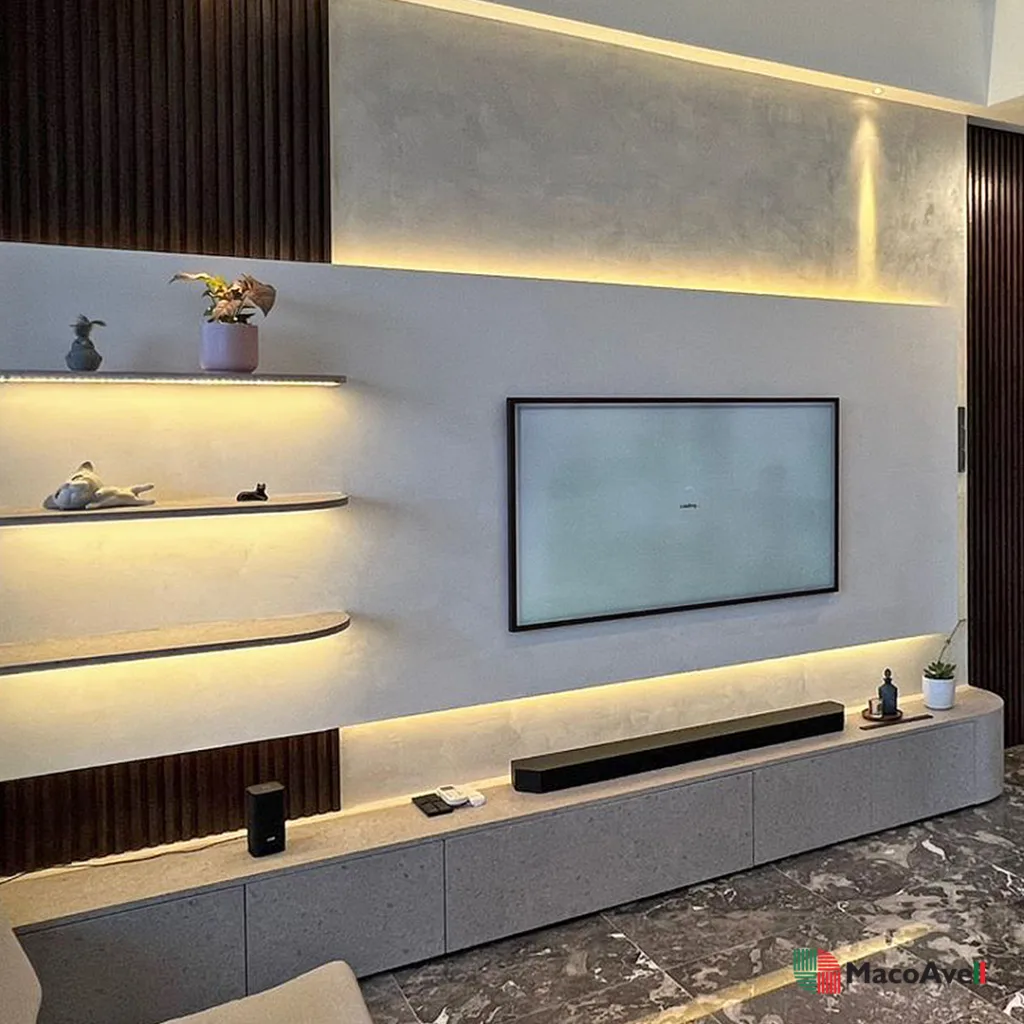
Where to use warm neutrals
- Living room feature walls – behind TV or sofa
- Dining areas – to create a cozy, social atmosphere
- Bedrooms – for a calm, restful environment
On MacoAvell textured finishes, these colours exhibit gentle movement and shading, making the wall appear rich without drawing attention to itself.
Trend 2: Clay, Terracotta and Earthy Browns
In 2026, there’s a strong move towards colours that feel grounded and natural, such as:
- Soft clay
- Terracotta blush
- Brownish beige
- Desert sand tones
These hues bring warmth and character, especially when paired with:
- Timber furniture
- Rattan and natural woven textures
- Neutral fabrics and warm lighting
Where to use clay and terracotta tones
- Feature walls in dining rooms
- Reading corners or home libraries
- Accent walls in living rooms or hallways
Earthy tones look particularly beautiful on MacoAvell matte and stucco textures, where the subtle highs and lows in the surface echo natural stone and soil.
Trend 3: Soft Greens and Nature-Inspired Hues
Greens continue to be strong going into 2026 – but not neon or overly bright. Instead, trends lean towards:
- Sage green
- Olive mist
- Eucalyptus tones
- Soft mossy greens
These shades:
- Bring a sense of calm and connection to nature
- Work well with indoor plants and natural materials
- Are perfect for rooms where you want to unwind
Where to use soft greens
- Bedrooms – behind the bed or on a single wall
- Home offices / study areas – to create a balanced, focused mood
- Living rooms – paired with warm wood and off-white furnishings
On a lime-based textured wall, soft greens gain extra softness and depth compared to flat paint, giving a gentle, “breezy” feel.
Trend 4: Deep, Moody Feature Walls
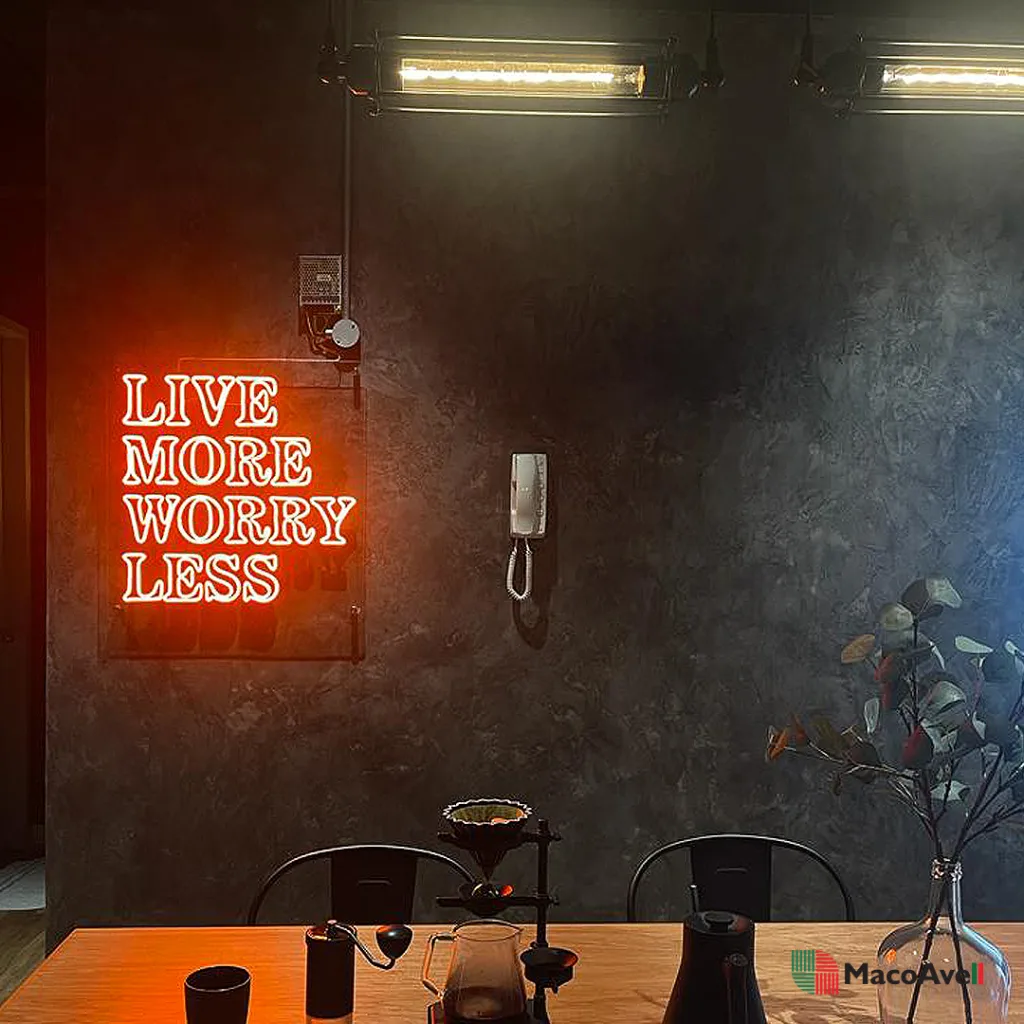
While most walls are moving lighter and warmer, one strong dark feature wall is still very on-trend for 2026.
Popular moody colours include:
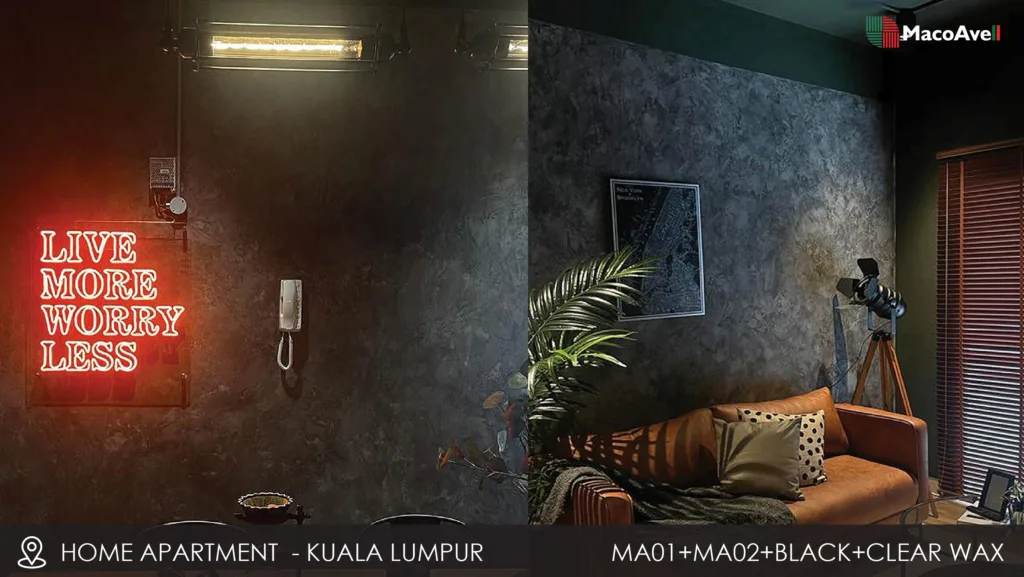
- Charcoal
- Deep olive
- Coffee brown
- Inky blue-grey
These are best used in moderation, but when done correctly, they:
- Add drama and sophistication
- Highlight the texture beautifully under lighting
- Make art, mirrors and furniture stand out strongly
Where to use dark feature walls
- TV wall in a larger living room
- Behind the bed in spacious master bedrooms
- Dining wall in units with good natural light
- Bar or feature corner in entertainment rooms
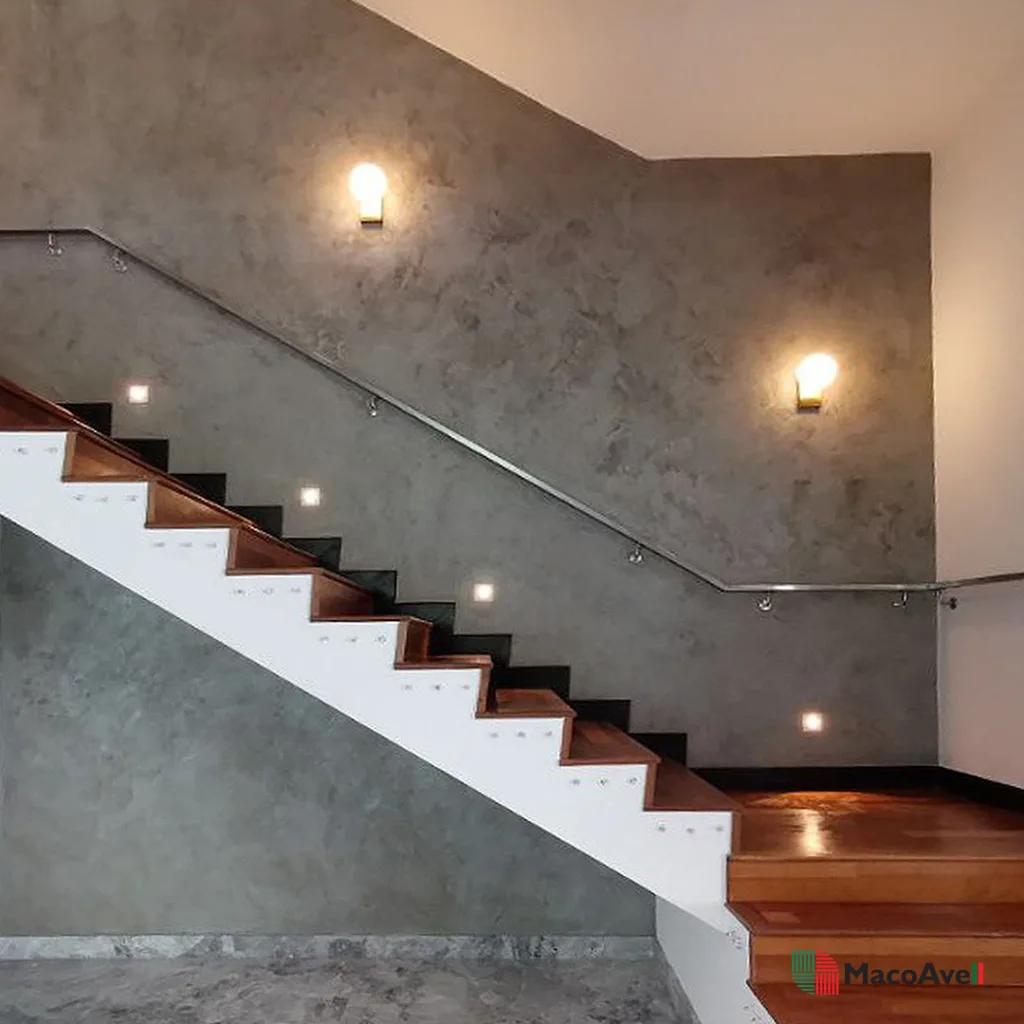
MacoAvell’s lime-based systems can handle rich dark tones with beautiful variations, especially under wall washers or ceiling spotlights.
Trend 5: Layered Tonal Palettes (Not High Contrast)
Instead of high-contrast black-and-white schemes, 2026 is all about layered tones in the same colour family:
- Light beige + medium beige + deeper taupe
- Light grey + warm greige + deeper stone grey
- Pale clay + mid terracotta + rich brown
This approach:
- Makes spaces feel cohesive and calm
- Allows textures, fabrics and materials to shine
- Feels more “expensive” and considered than one flat colour everywhere
How to create a tonal scheme with MacoAvell
- Use the lightest tone on most walls (good quality normal paint).
- Choose a medium tone in a matching family for key textured feature walls.
- Add a slightly deeper tone in furniture, fabrics or smaller accent areas.
This way, the textured walls become a central part of the colour story instead of feeling disconnected.
How Texture Changes the Way Colours Look
On flat paint, a colour appears as a single, uniform tone. On MacoAvell textured walls, the same colour can look richer because of:
- The movement of the trowel strokes
- Variations in thickness and layering
- How light catches the high and low points
This means:
- Dark colours feel deeper and more luxurious
- Mid tones gain subtle highlights and shadows
- Light colours gain visual interest without feeling busy
When planning your 2026 colour scheme, always consider how the texture will interact with the colour, not just the colour code itself.
Matching 2026 Colour Trends to Malaysian Home Types
Different home types benefit from slightly different approaches.
Condos and apartments
- Focus on light to mid tones: warm neutrals, soft greys, clay, sage greens
- Use one dark feature wall only in areas with good light or open space
- Maximise wall surfaces, since floor area is limited
Good places for textured trend colours:
- TV feature wall
- Bedroom headboard wall
- Dining or foyer wall
Landed homes
Landed properties can accommodate:
- Slightly deeper colours in living rooms and dining rooms
- Richer tones in stairwells and double-volume spaces
- Stronger moody colours in lounges or entertainment rooms
Textured walls in trending colours can tie together indoor and semi-outdoor spaces like patios and courtyards (with the correct system choice and exposure check).
How to Choose the Right Texture Paint Colour for Your Space
Here’s a simple, practical way to choose your 2026 texture paint colours with MacoAvell.
Step 1 – Look at your fixed elements
Before deciding on wall colours, note:
- Flooring colour (tiles, vinyl, timber)
- Built-in carpentry (kitchen, wardrobes, TV cabinet)
- Window frames and doors
Your walls should support these, not fight them.
Step 2 – Decide your main mood
Ask yourself:
- Do I want the space to feel more warm and cozy, or cool and minimal?
- Do I prefer light and airy, earthy and grounded, or dramatic and moody?
These points point towards warm neutrals, earthy tones, greens, or deeper shades.
Step 3 – Pick a three-level palette
Choose:
- A light base colour (for most walls)
- A mid tone for the main texture walls
- A broader accent for furniture, art or smaller areas
This keeps your choices controlled and harmonious.
Step 4 – Use MacoAvell samples and visuals
Work with MacoAvell to:
- Review printed colour cards or digital previews
- See project photos using similar tones
- Request small sample boards where possible
Seeing the colour on a textured surface (not just in a flat paint chip) makes it easier to decide.
Using MacoAvell Texture Systems with 2026 Colours
MacoAvell’s lime-based textures are designed to express these 2026 colour trends beautifully:
- Matte and cloudy systems – perfect for warm neutrals, clays and greens
- Stucco and stone-like textures – ideal for earthy tones and feature walls
- Polished plaster / Venetian-style finishes – stunning in light stone, champagne and deep moody colours
Because the textures are lime-based:
- They feel more natural and comfortable
- They age gracefully, gaining subtle character over time
- They work well in Malaysian interiors when applied with the correct system and sealer
Planning a Trend-Forward Yet Timeless Home with MacoAvell
Trends are useful as a guide, but your home should still feel like you.
When planning with MacoAvell:
- Use colour trends as a starting point, not a strict rule
- Choose 1–2 walls where you want a stronger statement
- Keep the rest of the home in softer, flexible tones
This way, your home feels current in 2026 but won’t look outdated quickly.
How to Start Your 2026 Colour and Texture Journey with MacoAvell
Here’s how to move from ideas to actual walls.
- Browse inspiration
Visit https://macoavell.com.my to see texture examples, projects and articles on wall design. - Collect references
- Save photos of interiors you like (warm neutral, clay, green, moody, etc.)
- Note which rooms in your home should follow each mood.
- Contact MacoAvell
- Share your floor plan, photos and moodboard
- Ask for suggestions on which MacoAvell systems and colour families suit your scheme
- Enquire about sample boards or project references similar to your style
- Confirm key feature walls and colours
- Decide which walls will be textured and which will remain painted
- Finalize tone and texture combination for each area
- Choose DIY or professional installation
- For smaller, simpler feature walls, consider DIY with guidance
- For large or premium areas, use experienced MacoAvell-trained applicators
Colour Trends Come and Go – Good Texture Stays
While colour trends shift gently from year to year, beautiful texture never really goes out of style.
By combining the 2026 texture paint colour trends with MacoAvell lime-based finishes, you can:
- Create walls that feel current and refined
- Express your personality through colour and texture
- Enjoy interiors that still look good years after the trend lists have changed
If you’re planning a new home, renovation or show unit, visit MacoAvell Malaysia at https://macoavell.com.my and start building your own 2026-ready texture and colour story today.