
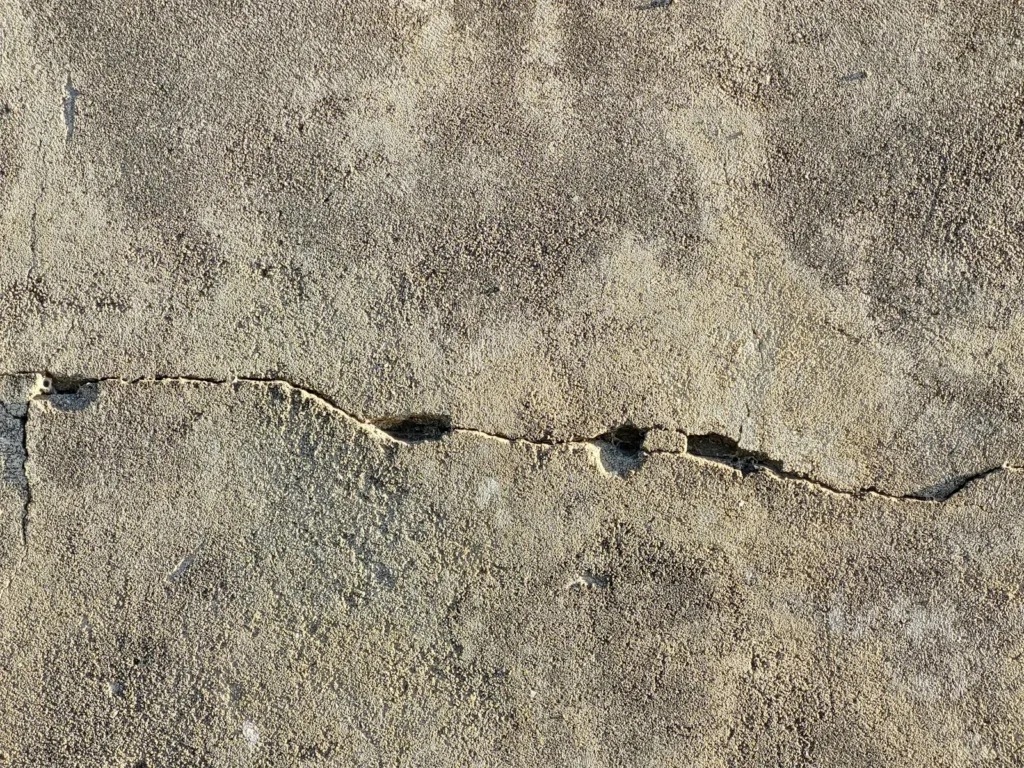
If your walls look wavy, patchy or full of hairline cracks, you’re not alone. Many Malaysian homes – from new condos to older terrace houses – struggle with imperfect walls that normal paint just can’t hide.
This is where texture paint becomes a powerful design and problem-solving tool.
With the right system, texture paint can hide wall imperfections, soften the appearance of cracks and give your home a more deliberate, “designed” look. MacoAvell specialises in lime-based textured finishes that don’t just decorate the wall – they help it look better and age more gracefully.
Common Wall Problems in Malaysian Homes
Before we talk solutions, it helps to understand what you’re fighting against.
Hairline cracks
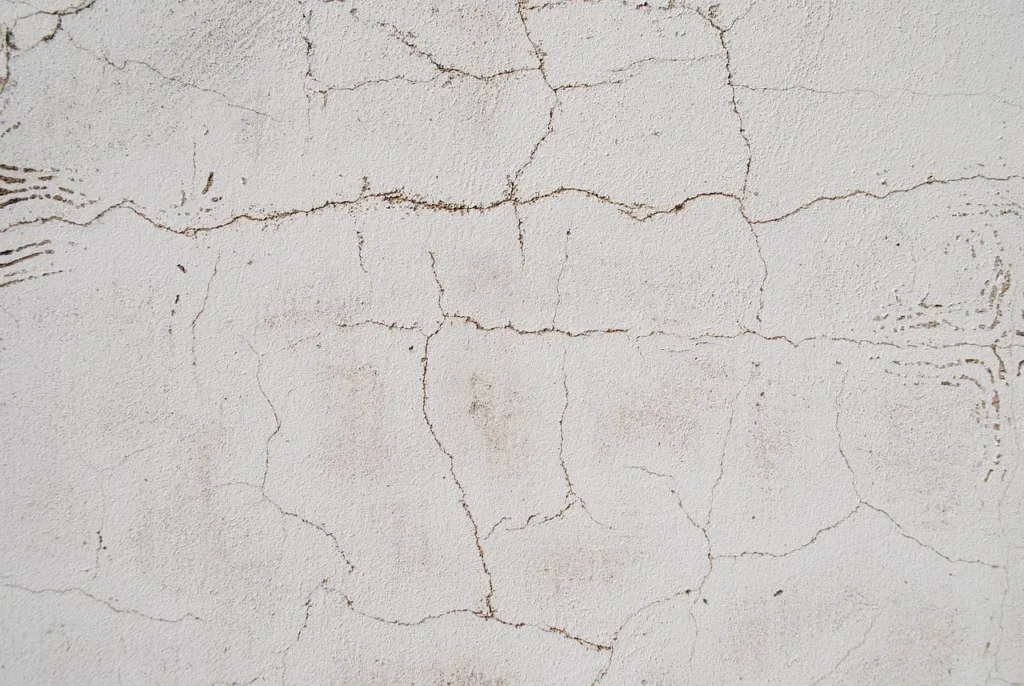
- Often appear along joints, corners and where different materials meet
- Caused by building movement, shrinkage or temperature changes
- Usually not structural, but very visible under flat paint
Uneven skim coat
- Waves or ripples across the wall surface
- Trowel marks or patch lines from previous repairs
- Visible especially when you turn on spotlights or wall washers
Old paint build-up and patching
- Multiple repaint layers over the years
- Patchwork repairs that were never fully blended
- Shiny or dull “ghost marks” where past work was done
Flat paint tends to highlight these imperfections rather than hide them.
Why Normal Paint Struggles with Imperfect Walls
Normal emulsion paint is designed to create a smooth, uniform film over the surface. On perfectly prepared walls, this looks clean and neat.
But on imperfect walls:
- Light hits every bump and dip
- Cracks telegraph through the thin paint layer
- Patch marks show because of slight differences in texture and absorption
The result: even after repainting, the wall still looks uneven and tired.
How Texture Paint Hides Wall Imperfections
Texture paint works differently. Instead of a thin, flat film, it creates a thicker, more varied surface that changes how light interacts with the wall.
1. Breaking up light reflection
On a perfectly flat wall:
- Light bounces off evenly
- Any defect interrupts that smooth reflection
On a textured wall:
- Light is scattered across highs and lows in the surface
- The eye sees a deliberate pattern instead of accidental flaws
Minor unevenness and small cracks become part of the overall movement, rather than standing out.
2. Adding controlled thickness
Texture systems are usually applied thicker than normal paint:
- Fine texture can smooth over micro ripples
- Medium texture can soften the look of more visible undulations
- The wall gains a sense of depth and substance
This added body helps visually disguise imperfections (though serious structural issues still need proper repair first).
3. Turning flaws into character
With lime-based textures like MacoAvell’s:
- Variations in colour and tone are expected and desired
- Each wall becomes a unique, handcrafted surface
- You get the look of plaster, stone or concrete instead of just “paint”
What used to be a weakness – an imperfect wall – becomes a perfect canvas for texture.
Best Types of Texture for Problem Walls
Not all textures behave the same way. Choosing the right one is crucial if your goal is to conceal imperfections.
Fine texture for mild imperfections
Good for:
- Light waves in a skim coat
- Small hairline cracks
- Minor patch marks
Advantages:
- Subtle, elegant look
- Easier to keep clean
- Suitable for living rooms and bedrooms where you still want a smooth-ish feel
Medium texture for more uneven walls
Good for:
- Noticeable ripples or patch areas
- Older walls with multiple repair lines
- Corridors, stairwells and feature walls on imperfect surfaces
Advantages:
- More visual “noise” to disguise problem areas
- Can be styled as stone, stucco or concrete effects
Strong texture for statement walls
Good for:
- Feature walls where you want a bold look
- Themed spaces (industrial, rustic, very tactile designs)
Advantages:
- Draws the eye to the overall pattern
- Any remaining wall imperfections feel like part of the intentional design
In many homes, you can use a fine or medium texture to handle imperfections without going too rough or heavy.
Where Texture Paint Works Especially Well on Imperfect Walls
Certain areas suffer more from unevenness and cracks.
Living room TV wall
- Often receives strong lighting from downlights and screens
- Any wave or crack shows clearly behind the TV
By applying texture paint:
- The wall gains a designer feel
- Reflections soften
- Old patch lines are less obvious
Bedroom headboard wall
- Many bedrooms have old cracks or patches on the main wall
- Flat paint makes the headboard area look tired
A textured headboard wall:
- Turns the flaw area into a feature
- Makes the room feel more like a hotel suite
- Draws attention away from small defects
Corridors and stairwells
- Long walls make imperfections very visible
- Artificial lighting exaggerates ripples and uneven patches
Textured finishes in these areas:
- Break up the long surface visually
- Hide the worst of the waves and lines
- Add a sense of craftsmanship and interest
Important: Texture Paint Is Not a Replacement for Structural Repair
Texture paint is excellent for visually hiding imperfections, but it’s not meant to:
- Fix serious cracks due to structural movement
- Cover active leaks or damp walls
- Replace proper surface preparation
Before applying any MacoAvell texture system:
- Identify if cracks are hairline/shrinkage or serious structural issues.
- Fix any leaks, rising damp or water ingress.
- Remove loose material and carry out necessary patch repairs.
Once the wall is sound, texture paint can then do its best work in disguising what’s left and making the surface beautiful again.
Why Lime-Based Texture Systems Are Ideal for Older or Flawed Walls
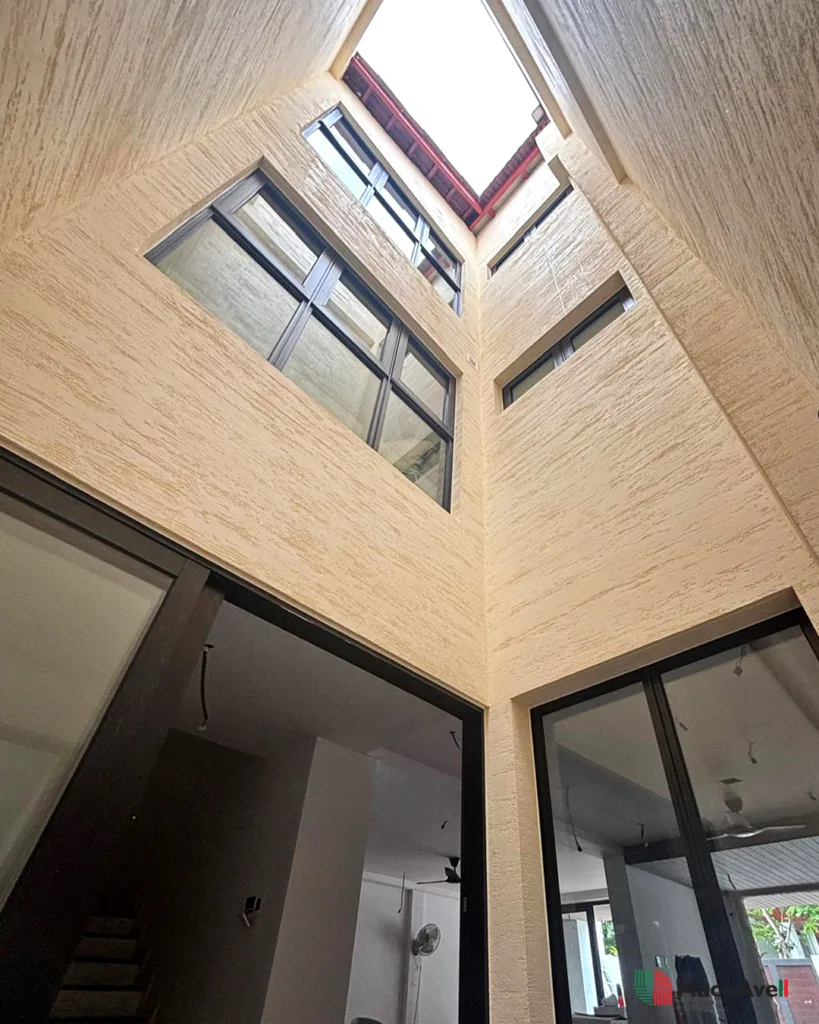
MacoAvell focuses on lime-based textures, which bring extra benefits for imperfect or ageing walls.
Breathability and comfort
Lime-based systems are generally more vapour-permeable than many synthetic-only coatings. This helps:
- Reduce trapped moisture
- Support a more stable surface over time
- Work better in Malaysia’s hot and humid climate
Especially in older homes, this breathability can be a big advantage.
Natural-looking variation
Lime-based textures naturally create:
- Gentle colour variations
- Subtle highs and lows
- A “living” surface that doesn’t look flat or plastic
This organic variation works in your favour when you’re trying to visually soften existing wall issues.
A Simple Process to Upgrade Imperfect Walls with MacoAvell
If you have walls that frustrate you, here’s a straightforward way to approach it with MacoAvell.
Step 1 – Assess your walls
Walk through your home and note:
- Walls with visible cracks or patch marks
- Areas where light makes ripples very obvious
- Spots that always look bad in photos or under downlights
These are your prime candidates for texture.
Step 2 – Take photos and measure
- Take clear, well-lit photos of each problematic wall
- Measure approximate width and height
This will help MacoAvell estimate material needs and suggest suitable systems.
Step 3 – Contact MacoAvell for advice
Visit https://macoavell.com.my and reach out via the Contact page or WhatsApp to:
- Share your photos and measurements
- Describe the wall issues (cracks, waves, old paint, etc.)
- Ask which MacoAvell texture systems are most suitable for hiding those imperfections
The team can recommend whether a fine, medium or more pronounced texture is better for your situation.
Step 4 – Plan surface preparation
Based on guidance, plan to:
- Scrape off any loose or flaking areas
- Patch and repair deeper cracks or holes
- Apply the recommended primer and base system
Good preparation plus the right texture system = the best result.
Step 5 – Decide DIY or professional application
You can:
- Start with a small feature wall as a DIY project using MacoAvell guidance, or
- Engage a trained applicator for larger, more visible or more problematic areas
Either way, you’ll be turning a visually frustrating wall into a deliberately designed texture feature.
Examples of “Problem Walls” Turned into Features
Here are typical transformations possible with MacoAvell textures:
- Old terrace house living room:
Previously: uneven wall with visible patch lines and cracked paint.
After: medium texture in warm neutral tone, waves become part of a soft, handcrafted finish. - Condo corridor wall under spotlights:
Previously: skim coat ripples and joint lines showing under lighting.
After: subtle lime-based texture that scatters light; the corridor feels calmer and more upscale. - Bedroom headboard wall in an older apartment:
Previously, repeated hairline cracks reappeared after normal repaint.
After: texture system with proper repair and sealer; cracks are less noticeable, and the wall becomes a cosy, hotel-style feature.
When Texture Paint Makes the Biggest Difference
You will see the greatest improvement when:
- The wall has visual imperfections (ripples, old patches, hairline cracks) more than serious structural issues
- Lighting is currently exposing every flaw
- You want an interior that feels more designed and less “developer basic”
If your walls already look perfect, texture will simply add design and character. If they don’t, texture may be the fastest way to visually “reset” the surface.
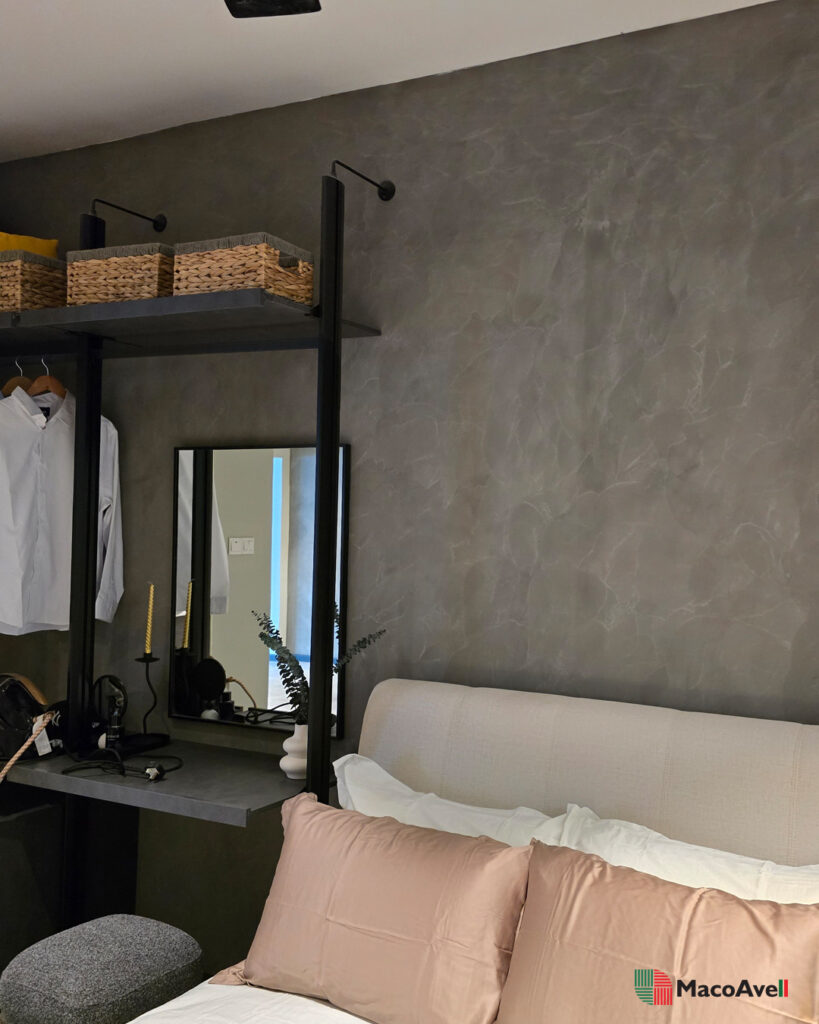
Turn Your Imperfect Walls into a Design Advantage with MacoAvell
Instead of fighting your walls with coat after coat of flat paint, you can embrace texture and turn those flaws into features.
With MacoAvell lime-based texture paint systems, you get:
- Surfaces that visually hide many wall imperfections
- Finishes that feel solid, tactile and handcrafted
- A more premium look for both new and older Malaysian homes
If you’re ready to see how texture paint can hide wall imperfections in your home, visit MacoAvell Malaysia at https://macoavell.com.my and contact the team to plan your next wall transformation