
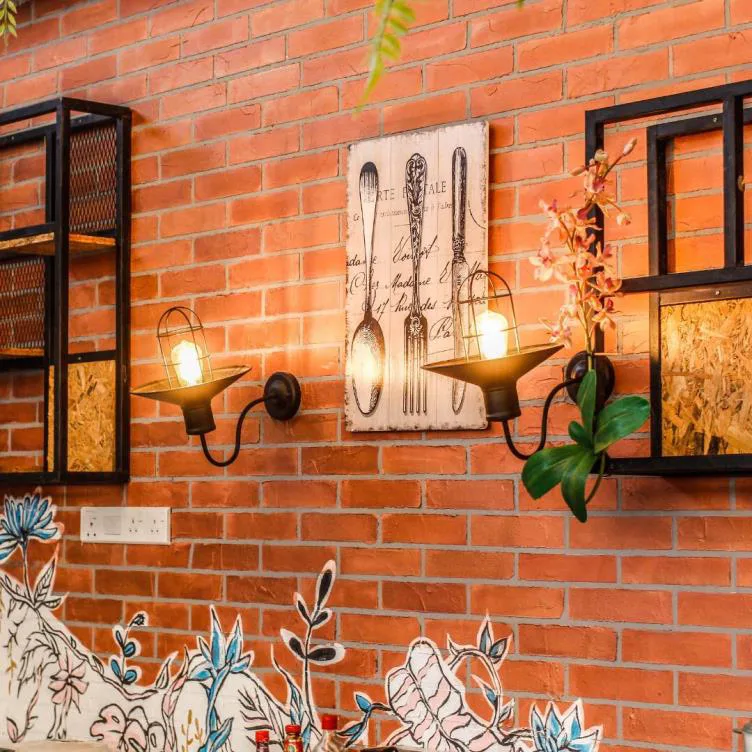
What is decorative lime-based plaster? Lime-based plaster is a type of special effect paint composed of sand, water, and lime. It is also famously known as Venetian plaster, which brings high-end, luxurious finishes to the walls. They are ready-mixed, durable, breathable, eco-friendly, anti-fungal and available in various colours. Here are some ideas on inexpensive tools that you could utilise to create different patterns and effects on your decorative plaster walls. Get inspired and do not wait to try them out to brighten up your entire Christmas.
Stencils


This is to reproduce patterns through painting over the cut-out holes in cardboard or metal onto another surface. It has been frequently used in the making of mimeographs and fine paintings. But, instead of using it the traditional way, we can use this technique when applying decorative plaster to create any patterns of your choice!
Tapes

Tape is taking over! Firstly, choose two different shades - base colour and accent colour. Secondly, apply the base colour and after it is dried, apply the tape to create any pattern you desire on the wall. Use a stripe tape to help you plot out the angle and the thickness you like your zig-zag to have. Then, give your accent colour a go. Lastly, gently remove the tape, and you should work this from the top to the bottom.
Texture roller

This is perfect for those who opt for a minimalist style. It's simple, clean, yet eye-catching. Using this tool would save you from spending a substantial amount of time and money. With this simple method, all you need to do is get a roller and lime-based plaster, and then you're ready to go! It helps the wall to stand out better. In addition, just enough texture to hide the flaws in your wall.
Sponge

The result is almost the same as using a texture roller, but a sponge is even easier and cheaper to get. You can easily obtain a sponge at any nearby supermarket, convenience store, etc The most affordable choice to create an easy and quick texture.
Trowel

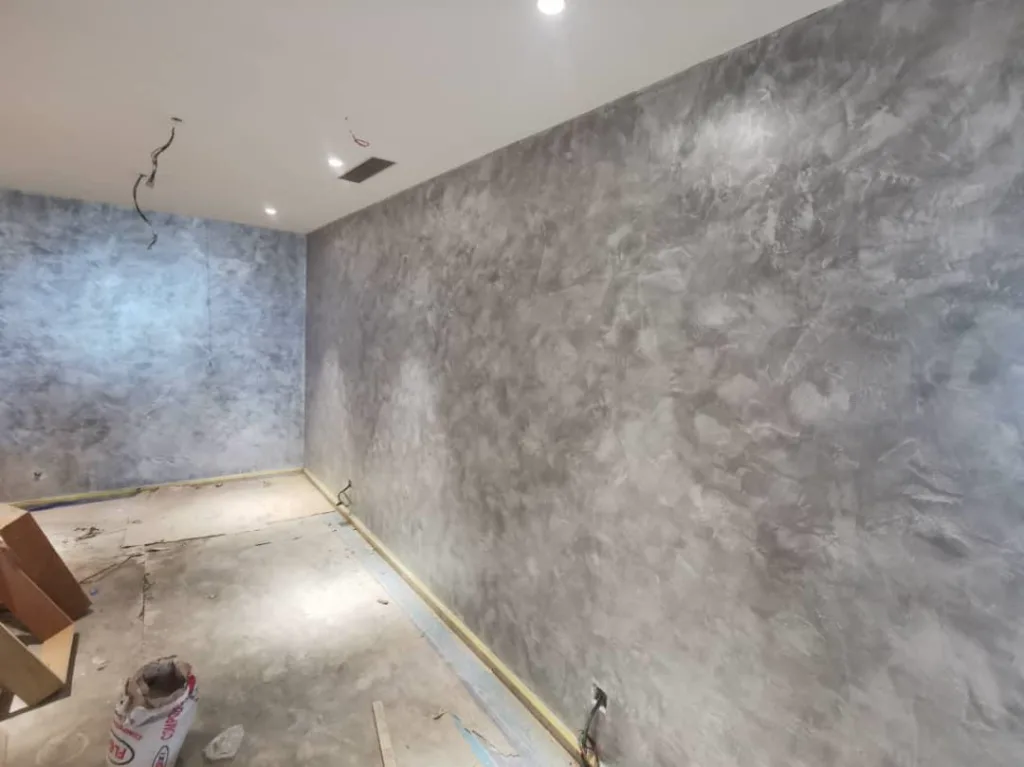
One of the most classical tools to be used to apply texture paints. It is especially perfect to create a matte finish for a concrete effect. It gives a touch of Industrial and vintage vibes to the interior and leaves the impression of rustic. Commonly, these kinds of textures are created by using multiple horizontal and vertical strokes.
Steel comb

It's great to create bumps, lines and stripes of different widths to fulfil and accommodate any of your creative ideas. It helps to create shadows, making the wall less dull.
Crocodile roller


A technique used here is the ‘negative’ imprinting technique, meaning it will leave a crocodile skin texture on the surface of your project when it is rolled over the wet textured paints. It helps to create beautiful textures in an easy and fun way.
Wood-graining tool

Ideal to use this to create patterns using MacoAvell decorative lime-based paints to achieve a wood grain finish. Similarly, while the paint is still wet, immediately use this on the wood grain of the wall. This is an easy tool to use as it doesn’t need difficult techniques.
Travetino tool

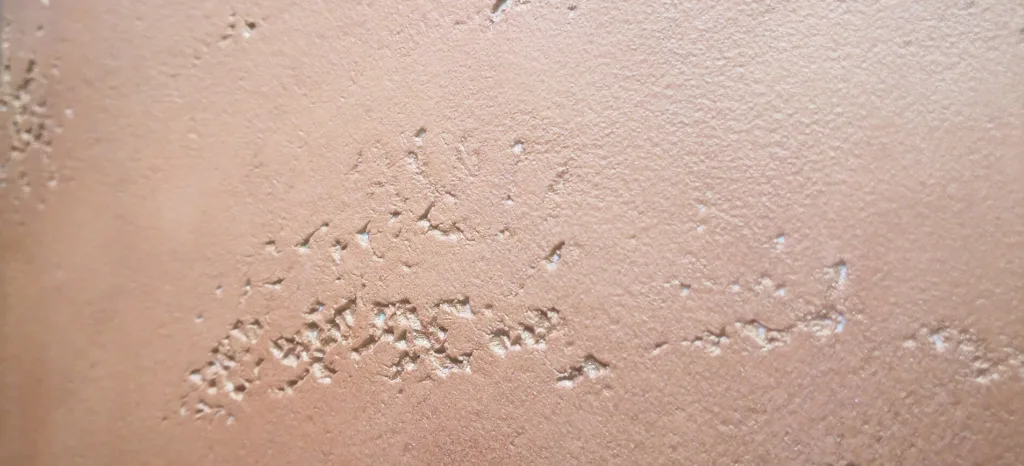
As shown in the image above, this is the effect created using the Travertino tool. To achieve this wall effect, firstly, start with the application of the base coat (plaster used - MacoAvell stucco). Subsequently, use your tool to create the pattern. Finally, add another layer of textured paints (plaster used- MacoAvell crystal overlay pickle 650.5B). The final result will be as above.
Lining brush


This can be used when you want to achieve denim effects on the textured wall. It is one of the most unique textures that can instantly bring sophistication to your living space. Venetian plasters and tools are all available on the MacoAvell website. Or, if you decided to leave it to a professional, MacoAvell is always here and ready to assist you!